Why Seamless Reader Experiences Are Becoming the Real Competitive Advantage in Digital Publishing | Prenly

Why Seamless Reader Experiences Are Becoming the Real Competitive Advantage in Digital Publishing | Prenly

For a long time, publishers have focused their digital strategy on content, distribution, and monetization. Those priorities still matter. Strong journalism, trusted brands, and sustainable subscription models remain the foundation of long-term value.

But a shift is becoming harder to ignore.

Readers no longer compare digital news products only to other publishers. They compare them to every digital service they use each day. The expectations shaped by streaming platforms, audio apps, ecommerce, and mobile-first consumer products do not disappear when someone opens a news app or digital edition. They carry over.

That matters because competition in publishing is no longer defined only by what content is offered. Increasingly, it is shaped by how effortless and connected the experience feels around that content.

In mature publishing markets, where digital products are already established and reader expectations are high, this shift is becoming especially visible. But the same dynamic is increasingly relevant across international publishing as well. In a more competitive and fragmented digital environment, experience quality is becoming a real strategic differentiator.

Content Alone Is No Longer Enough

This does not mean content has become less important. It means content alone is less able to carry the full weight of retention.

A reader may value the journalism, trust the brand, and even pay for access. But if the product experience feels slow, fragmented, confusing, or inconsistent, that relationship weakens over time. Not always dramatically. Often quietly.

Habit is shaped by more than editorial value. It is shaped by ease. By continuity. By whether returning feels natural or effortful.

That is one reason why publishers are seeing a growing gap between content quality and product performance. Good journalism can attract attention. But a strong digital publishing experience and a more compelling digital publishing platform experience are often what determine whether readers return frequently enough to build a habit around it.

Readers Now Expect Continuity Everywhere

Reader behavior has become more fluid.

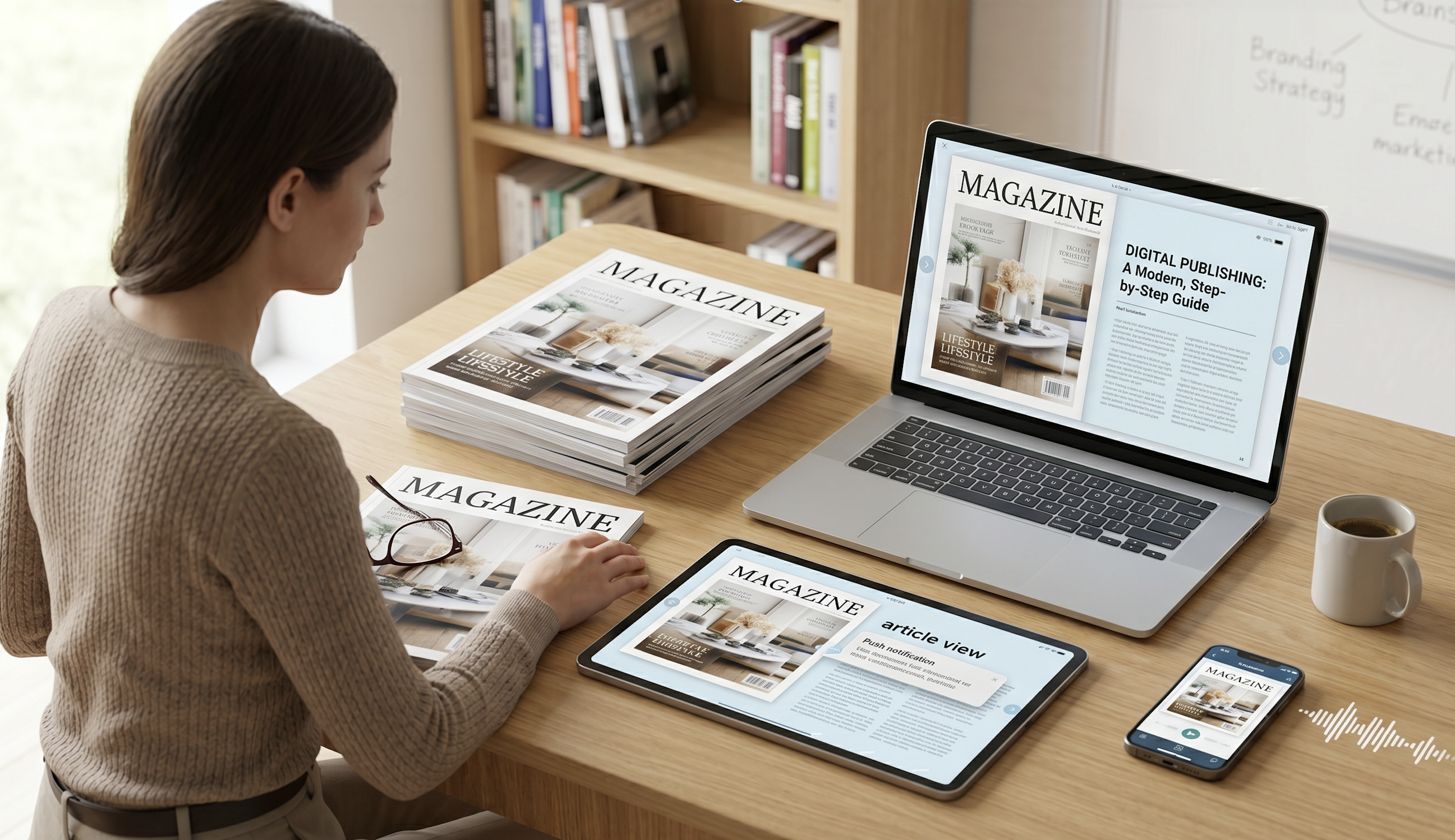
A subscriber may begin with a headline alert on mobile, open a story during a commute, return later on another device, switch into audio while multitasking, and browse an edition in the evening. None of this feels unusual to readers. It is simply how digital behavior works now.

What feels unusual is when the product does not support that movement.

Readers increasingly expect continuity across formats, devices, and contexts. They want a product that allows them to move naturally between editions, articles, audio, archives, alerts, and related content without friction. They do not think in terms of isolated product layers. They think in terms of one experience.

That is why continuity matters so much. An easier reading experience across app, web, and edition formats does more than improve usability. It shapes the sense that the product belongs in the reader’s daily routine and supports stronger digital reader engagement over time.

Fragmented Digital Products Quietly Weaken Engagement

One of the more underestimated problems in digital publishing is fragmentation.

In many organizations, the digital product has evolved in layers. Replica editions live in one environment. Articles in another. Audio somewhere else. Notifications are handled separately. Different teams manage different surfaces. Over time, the user experience becomes harder to keep consistent, and the operational model becomes harder to simplify.

This fragmentation has a cost.

Readers feel it as inconsistency. They meet different navigation patterns, different reading modes, and different levels of polish depending on where they enter. Teams feel it as duplicated work, slower product decisions, and a growing distance between editorial ambition and technical reality.

That is why the future is unlikely to belong to isolated digital products. It will belong to publishers who can create more connected digital publishing solutions and a more unified publishing experience that feel coherent to readers and manageable to teams.

Why Friction Impacts Retention More Than Many Publishers Realize

Friction is often treated as a minor product issue. In reality, it can be a retention issue.

Not because every point of friction causes an immediate cancellation, but because friction changes the emotional texture of the product. It adds effort where readers expect flow. It interrupts moments that should feel simple. It makes returning slightly less automatic.

Most of the time, the impact is invisible.

A slower path to the right article. A reading mode that feels awkward on mobile. A jump between formats that breaks concentration. A feature that exists, but does not feel integrated. Small moments like these rarely become explicit complaints. They simply reduce the likelihood that the product becomes a daily habit.

In subscription-driven publishing models, even small improvements in engagement frequency can have a meaningful long-term effect on retention and perceived value.

That is why reader engagement tools matter most when they are part of a smooth overall experience, not when they are added as isolated features. Engagement grows when the product reduces effort, supports continuity, and makes the next action feel obvious. Over time, that can contribute to stronger digital publishing retention, not just better short-term usage metrics.

Accessibility and Simplicity Are Strategic Advantages

Accessibility is often discussed too narrowly in publishing. It is framed as a requirement, a standard, or a specialist area.

But in practice, accessibility is also a product advantage.

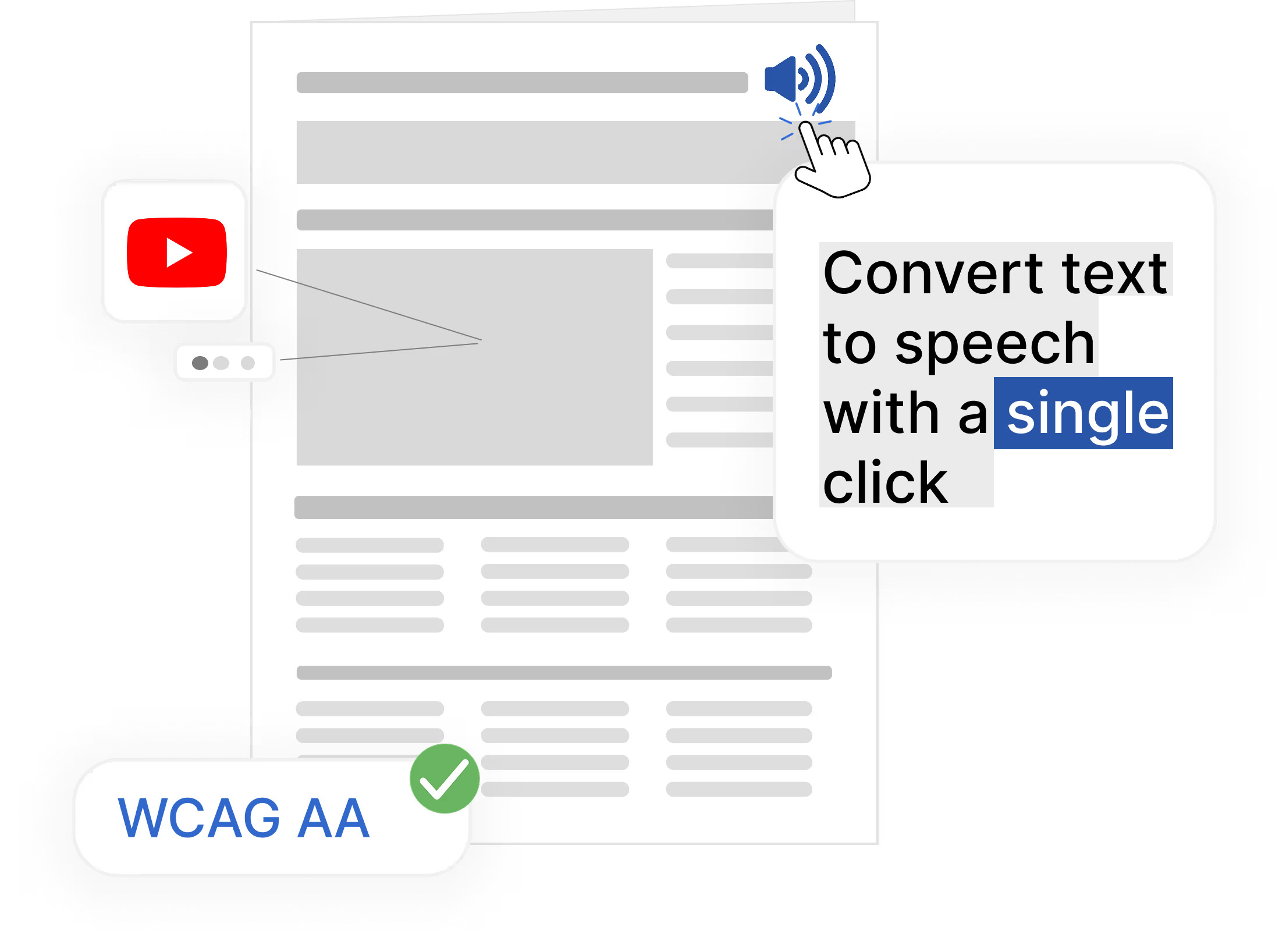
When a digital newspaper becomes easier to read, easier to navigate, easier to listen to, and easier to understand, it serves more people well. That includes readers with formal accessibility needs, but it also includes older audiences, mobile readers, multitasking readers, and anyone who benefits from clearer, simpler interaction.

The same is true of simplicity.

Simple products are often stronger products. Not because they do less, but because they remove unnecessary effort. They help readers focus on content instead of interface logic. They make digital experiences feel calmer, more intuitive, and more trustworthy.

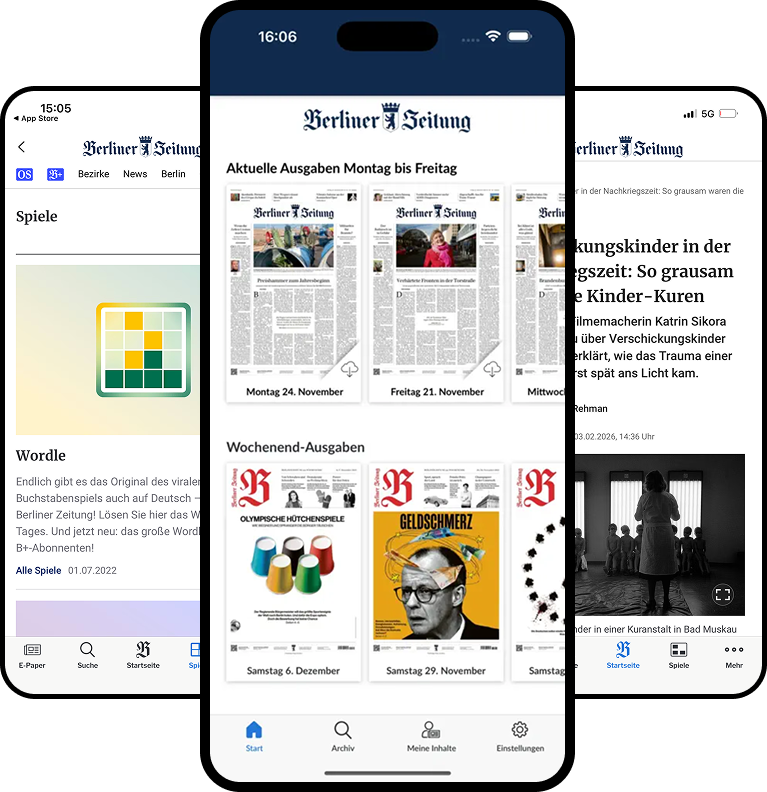
That is one reason why product choices like Prenly Reader matter beyond feature sets alone. A reading environment designed to feel accessible, engaging, and easy to use speaks directly to the broader shift in reader expectations.

The Future Belongs to Connected Digital Experiences

The next phase of digital publishing will not be defined only by which formats publishers offer. It will be defined by how naturally those formats work together.

That points toward a more connected model.

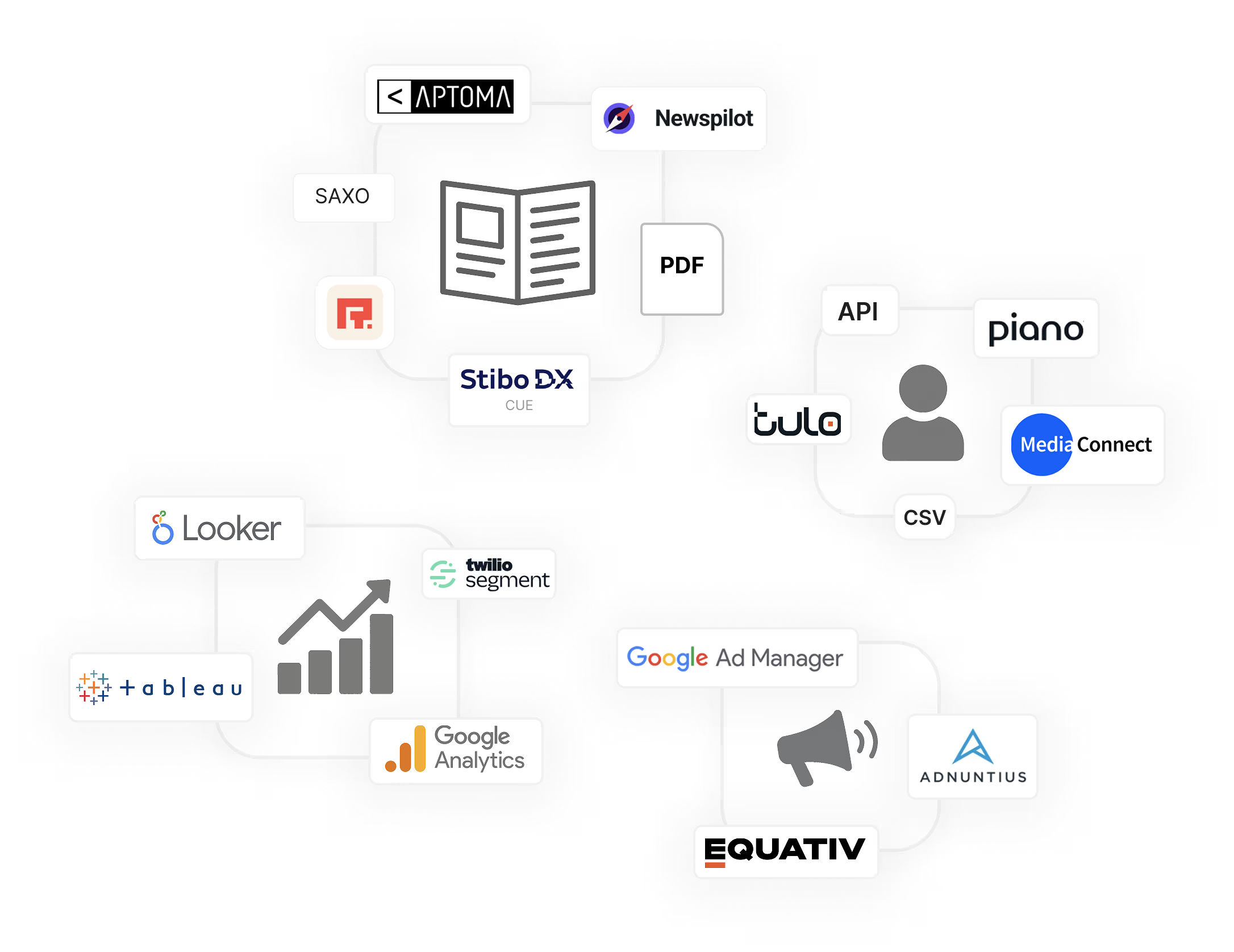
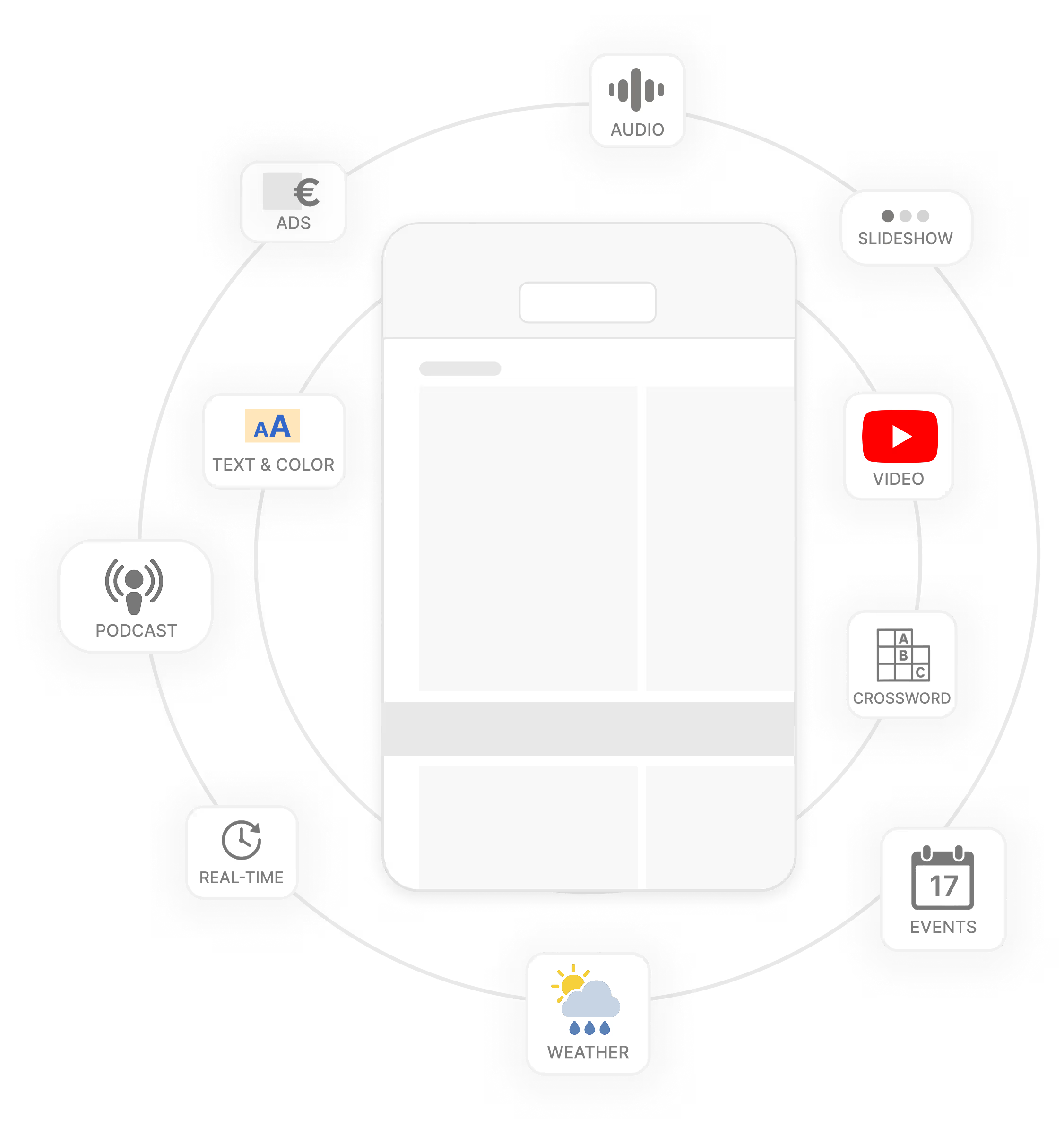
Not more products layered on top of one another. Not more disconnected tools. But a digital ecosystem where editions, article views, audio, alerts, archives, and publishing workflows support one another inside a more unified experience.

This is where product maturity becomes increasingly visible. Readers may not describe it in technical terms, but they notice when a service feels complete. They notice when movement between content types feels natural. They notice when the experience feels designed rather than assembled.

For publishers, that makes experience quality a competitive issue. A more connected digital publishing platform is no longer only about operational capability. It is also about how the brand is felt by readers in everyday use.

A Smarter Path Forward for Publishers

This does not mean every publisher needs a dramatic transformation program.

In many cases, the smarter path forward is more measured. Publishers do not necessarily need more products. They need better-connected experiences built around how readers actually behave.

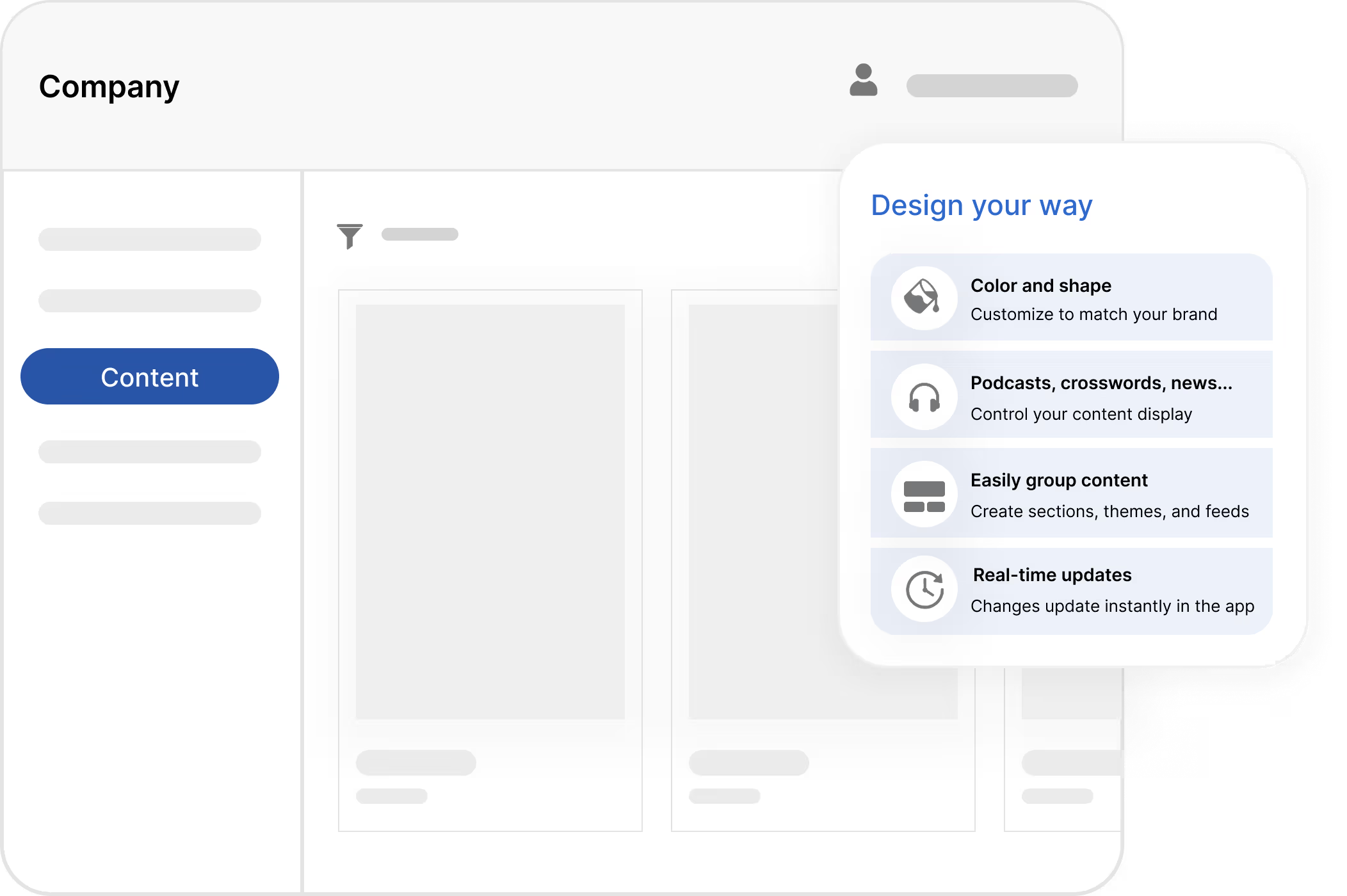
That may involve improving continuity between content types. It may involve simplifying the reader journey. It may involve making the digital product easier to manage internally through tools like Prenly Workspace. It may involve rethinking how the edition, article view, audio, and engagement layer work together rather than treating them as separate initiatives.

The key point is strategic: progress does not always come from adding more. Often, it comes from making the whole experience feel more coherent.

For publishers thinking about how to evolve without creating unnecessary disruption, that is also why a transition-oriented perspective matters. A path to join Prenly is relevant not because change itself is the goal, but because modernization works best when it preserves what already delivers value and strengthens the experience around it.

The Competitive Battle Is Becoming More Experiential

Digital publishing has spent years investing in content strategy, subscription logic, analytics, and product development. All of that remains important.

But the next competitive battle is becoming more experiential.

The publishers that stand out will not only be the ones with strong journalism or broad product portfolios. They will be the ones that make digital reading feel more natural, more connected, and more worth returning to.

That is not a small UX detail. It is a strategic shift.

The next generation of digital publishing will not be defined only by content quality, but by how naturally readers can move through the experience around it.

For publishers evaluating how connected digital experiences can strengthen engagement, retention, and long-term subscriber value, this is becoming one of the most important strategic questions to solve. If you want to explore how that can take shape in practice, you can book a demo or learn more about Prenly’s broader digital publishing solutions.

FAQ

Why does reader experience matter so much in digital publishing now?

Because readers increasingly compare news products to the best digital experiences they use elsewhere. Content still matters, but experience quality has a growing impact on frequency, habit, and retention.

What affects reader engagement in digital publishing most?

Reader engagement is often shaped by continuity, ease of use, accessibility, and how connected the experience feels across formats and devices. Small points of friction can have a bigger long-term effect than many publishers realize.

Why do fragmented digital products weaken retention?

When editions, articles, audio, and engagement features feel disconnected, readers experience more friction and less continuity. Over time, that can weaken habit formation and reduce return frequency.

Are accessibility and simplicity really competitive advantages?

Yes. They improve usability for a wider range of readers and make the overall product feel easier, calmer, and more intuitive. In digital publishing, that can support both engagement and loyalty.

What does a more connected digital publishing model look like?

It usually means editions, article views, audio, alerts, archives, and internal workflows work together as part of one broader experience rather than existing as isolated product layers.