Practical tips for digital publishing in 2026
As 2026 begins, many publishing teams are looking for practical ways to work smarter – not by adding more tools or processes, but by making better use of what’s already available.
Here are practical tips for digital publishing in 2026, focused on automation, smarter distribution, and building trust into everyday workflows.
1. Consistency only works when it’s easy to maintain
In theory, most publishers agree on the value of regular communication. In practice, consistency often breaks down when it depends on manual effort.
Weekly alerts. New issue notifications. Ongoing campaigns.
When every send requires someone to remember, log in, and repeat the same setup, even the best intentions fade over time.
That’s why recurring workflows matter.
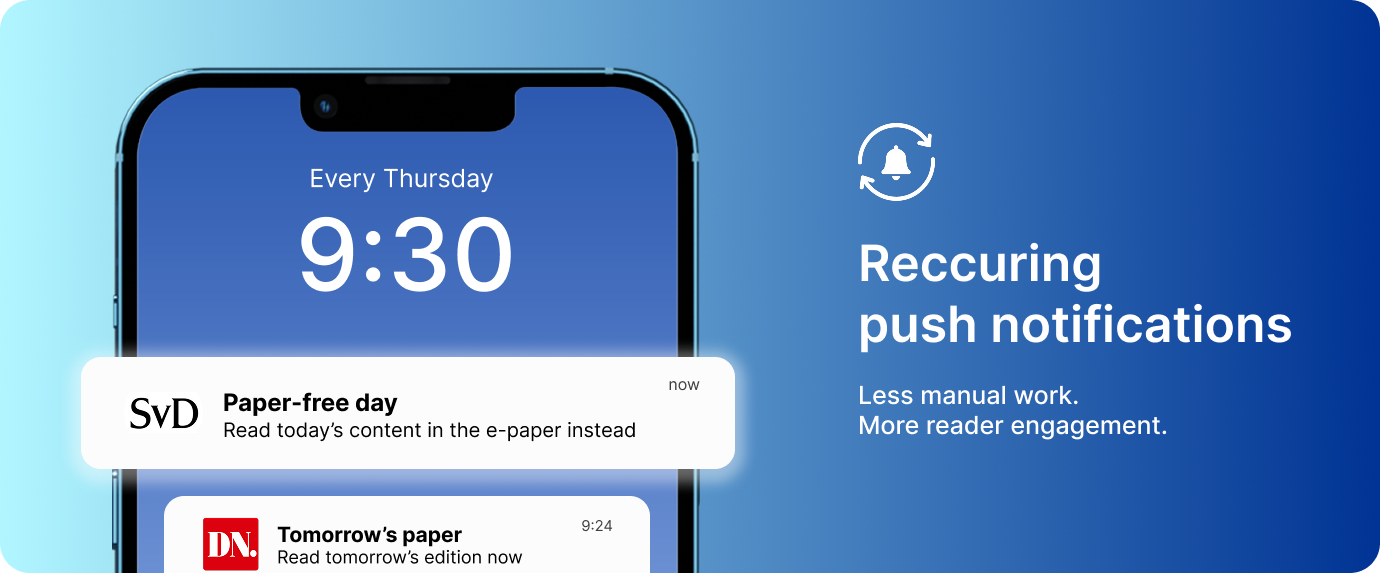
With recurring push notifications already available, consistency no longer has to be recreated every week. Instead, publishers can set up a routine once – and let it run automatically in the background.
Tips for 2026:
Start using workflows where rhythm is already built in, so consistency becomes reliable rather than fragile.
How to get started:
Begin by identifying one message that goes out regularly – for example a “new issue available” notification or information about a new podcast episode. Set it up once as a recurring notification, and review it periodically instead of rebuilding it every time.
View the setup guide for recurring push notifications ->
2. Publish once, distribute everywhere
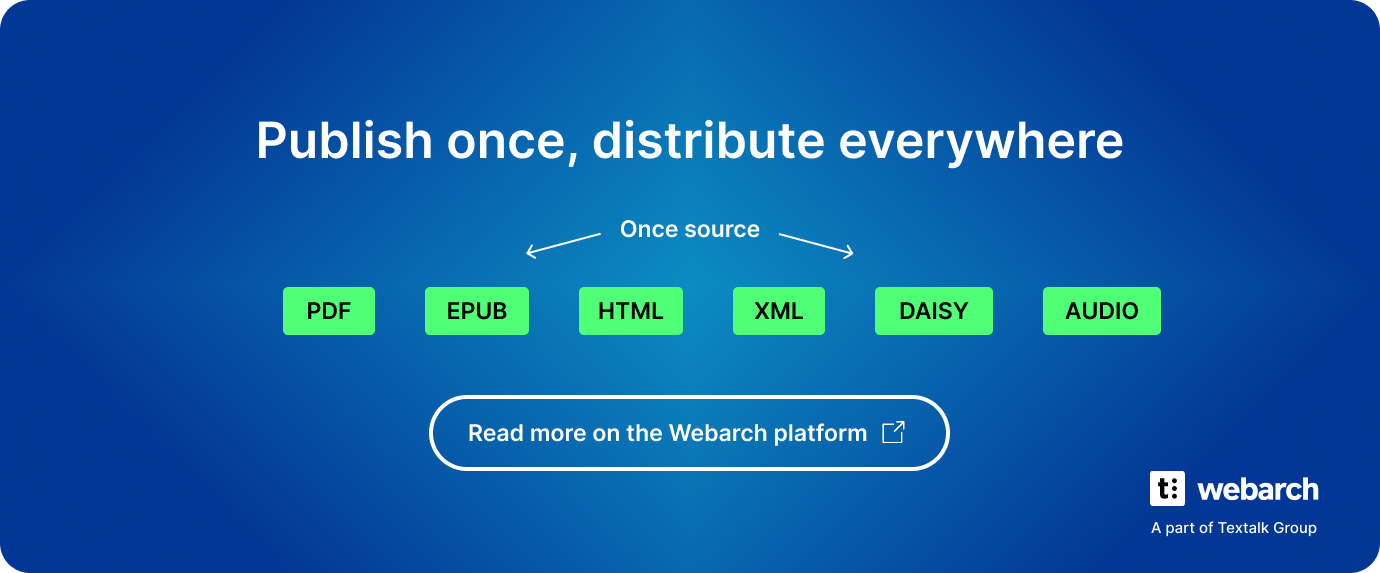
Publishing rarely happens in just one place. The same content often needs to reach multiple channels – apps, libraries, aggregators, or partner platforms.
In 2025, many publishers realised that the biggest drain on time wasn’t publishing itself, but re-publishing: exporting, reformatting, uploading, and double-checking the same content over and over again.
Automation here isn’t about doing more, faster. It’s about removing duplicated effort so publishers can focus on editorial quality, audience value, and strategic decisions.
With multi-channel publishing already in place, content can be published once and distributed automatically to the channels that need it.
Tips for 2026:
Take advantage of workflows that remove repeated handoffs between systems, so focus stays on content rather than logistics.
How to get started:
Map out where your content is currently published manually. If the same edition is exported or uploaded more than once, that’s a strong candidate for automated distribution.
Read more about MCP on Webarch ->
3. Share access to your content
Another clear signal from 2025 was how publishers thought about access.
Instead of treating content as either fully locked or fully open, more publishers experimented with selective openness:
- sharing a single issue outside the paywall
- opening specific editions for a limited time
- making older publications publicly available
This approach recognises an important reality: not all content has the same role.
Some editions are designed to convert. Others are meant to introduce new readers, build trust, or re-engage existing audiences.
Tips for 2026: Use access intentionally. Decide what each piece of content is meant to achieve and unlock it accordingly.
How to get started:
Choose one edition with long-term value and test opening it up or sharing it externally. Observe how readers interact with it before deciding what to unlock next.
How to open a selected issue ->
How to make your publications public ->
4. When trust is built into the publishing workflow
Trust, transparency, and compliance have always been fundamental in digital publishing. That hasn’t changed.
What did become clearer in 2025 is how important it is to make these principles practical and visible in everyday workflows.
When privacy policies are easy to create, host, and maintain, compliance stops being something publishers postpone. Instead, it becomes a natural part of publishing operations.
Making it easier to do the right thing increases the likelihood that it actually gets done.
Tips for 2026: Treat privacy and transparency as part of product quality, not background documentation.
How to get started with Privacy policy pages:
Create and host your privacy policy page directly in Prenly. Our privacy policy generator helps you with the content: just fill in the template, add how you handle personal data, and your privacy policy is ready to publish.
Please note: you’re responsible for making sure the final text matches how your company uses personal data.
Create your privacy policy in minutes ->
A simple way to start 2026
If you’re looking for a practical takeaway from all of this, start small:
- remove one manual step from your workflow
- automate one recurring task
- and make one intentional decision about access or transparency
Small changes compound quickly when they reduce friction.
Next-generation digital publishing
The strongest signal going into 2026 is how publishing teams want to work.
In 2026, successful digital publishing will be less about doing more and more about using what’s already available to work consistently, efficiently, and with greater focus on readers.
That’s the direction we’re excited to support and we look forward to continuing the journey together this year.